The tractor export process is a vital part of the global agricultural machinery market. As demand for reliable tractors continues to grow across Europe, the United States, Africa, and emerging agricultural regions, understanding how tractors are exported internationally is essential for buyers and dealers alike.
Exporting tractors involves much more than transportation. It includes technical inspections, export documentation, international shipping, customs clearance, and final delivery. Working with a trusted exporter such as Jinacio Tractors ensures every step of the tractor export process is handled professionally and transparently.
Overview of the Global Tractor Export Market
The global tractor export market is driven by:
- Rising mechanization in agriculture
- Demand for cost-effective used tractors
- Limited local manufacturing in some regions
- Trust in European and USA machinery standards
Countries in Africa, the Middle East, and parts of Asia frequently import tractors from Europe and the USA due to superior quality, performance, and longevity.
According to international agricultural data, mechanization directly supports food security and productivity worldwide.
Step 1 – Selecting the Right Tractor for Export
The first step in the tractor export process is selecting a tractor that meets the buyer’s needs and the destination country’s requirements.
Buyers should consider:
- Tractor brand and model
- Horsepower and specifications
- Year of manufacture
- Operating hours
- Compliance with local regulations
Export-ready tractors are often sourced from John Deere, Fendt, New Holland, Claas, and Massey Ferguson.
Step 2 – Technical Inspection and Verification
A critical stage in the tractor export process is neutral technical inspection. This ensures that the tractor is fully functional before shipment.
Inspection typically covers:
- Engine condition
- Transmission and drivetrain
- Hydraulics and PTO
- Electrical systems
- Structural components
This step protects buyers from unexpected issues after delivery and builds trust in international transactions.
Step 3 – Export Documentation and Legal Compliance
Proper documentation is essential for exporting tractors internationally. Missing or incorrect paperwork can cause delays or additional costs.
Required documents may include:
- Commercial invoice
- Packing list
- Export declaration
- Certificate of origin
- Bill of lading
Exporters also ensure compliance with regulations in both the exporting and importing countries.
Step 4 – International Shipping and Transport
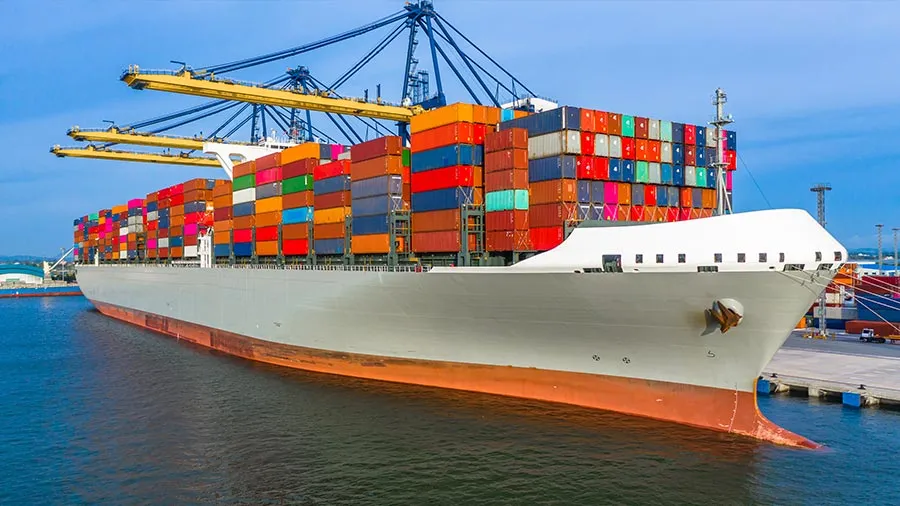
Once documentation is complete, the tractor is prepared for international shipping. Shipping methods depend on destination, budget, and machine size.
Common tractor shipping methods:
- RoRo (Roll-on/Roll-off) shipping
- Container shipping
- Combined road and sea transport
Proper loading, securing, and handling are crucial to prevent damage during transit.
Jinacio Tractors works with experienced logistics partners to ensure safe and efficient worldwide delivery.
Step 5 – Customs Clearance at Destination
After arriving at the destination port, tractors must clear customs before final delivery. This process includes:
- Import duty assessment
- Customs inspection
- Verification of documents
- Release authorization
Exporters assist buyers with customs support to avoid delays and unexpected charges.
Step 6 – Final Delivery to Buyer
Once customs clearance is completed, the tractor is transported to its final destination, which may include:
- Farm location
- Warehouse
- Dealer facility
Reliable exporters coordinate inland transport to ensure timely and secure delivery.
Warranty & After-Sales Support
Warranty coverage is an important consideration in the tractor export process. Exporters offer warranty options based on pre-sale inspections to protect buyers after delivery.
Jinacio Tractors provides:
- Clear warranty terms
- Coverage based on verified inspections
- Support in case of warranty claims
Common Challenges in Tractor Exporting
Some common challenges include:
- Incomplete documentation
- Poor inspection practices
- Unreliable shipping partners
- Lack of after-sales support
Working with an experienced exporter significantly reduces these risks.
Why Choose Jinacio Tractors for Worldwide Exports
Jinacio Tractors simplifies the tractor export process by offering:
- Verified tractor sourcing
- Professional inspections
- Complete export documentation
- Worldwide shipping solutions
- Warranty-backed purchases
Conclusion
The tractor export process involves multiple stages, each requiring expertise and careful coordination. Europe and the USA remain the leading sources of high-quality tractors for global markets.
By partnering with Jinacio Tractors, buyers worldwide can confidently source tractors with professional support from selection to final delivery.
Our Other Blogs:
🚜 Best Compact Tractors for Small Farms USA – Complete Guide (2026)
🚜 Cheap Tractors for Sale USA – Complete Budget Buyer Guide (2026)
🚜 Best Tractors for Farming USA – Complete Guide (2026)
Frequently Asked Questions:
What is the tractor export process worldwide?
The tractor export process involves supplier selection, price negotiation, documentation, shipping, customs clearance, and final delivery to the buyer.
What documents are required to export tractors internationally?
Key documents include a commercial invoice, bill of lading, packing list, certificate of origin, export license, and insurance documents.
How are tractors shipped internationally?
Tractors are typically shipped via sea freight using containers or roll-on/roll-off (RoRo) vessels depending on size and quantity.
How long does it take to export tractors globally?
Export timelines usually range from 2 to 8 weeks depending on shipping method, destination country, and customs procedures.
What are the main costs involved in tractor export?
Costs include product price, packaging, shipping charges, insurance, customs duties, and port handling fees.